
How Alamance County Handles DWIs, Reckless Driving, and Serious Traffic Offenses
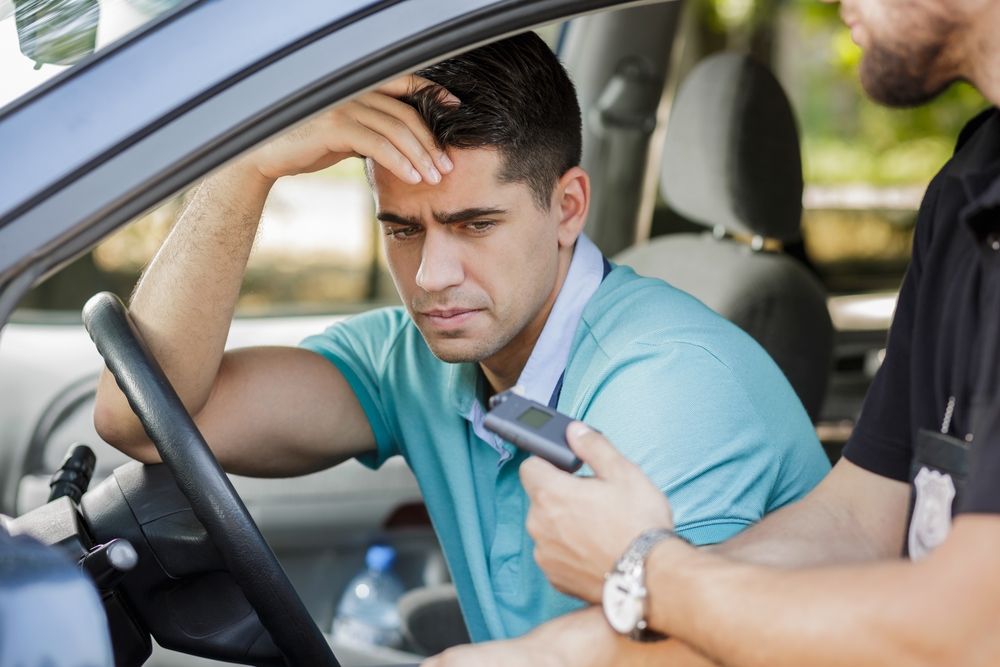 Serious traffic charges in Alamance County, such as DWI and reckless driving, carry consequences that can affect your license, insurance, and criminal record. North Carolina law defines DWI both by impairment and by a per se threshold of 0.08 alcohol concentration, and a conviction is sentenced using statutory levels based on aggravating and mitigating factors. Many DWI arrests also trigger an immediate 30-day civil license revocation before the case is resolved, which can complicate work and family logistics. Knowing the rules that apply in Alamance County District Court helps you plan a realistic defense strategy.
DWI
In Alamance County, DWI prosecutions follow statewide procedures. After an implied-consent arrest, your license may be seized under the 30-day civil revocation law if the criteria in the statute are met. When a case reaches sentencing, judges must apply North Carolina’s structured DWI scheme in G.S. 20-179, weighing specific aggravating and mitigating factors to determine Levels 1 through 5 or Aggravated Level One for the most serious cases. Court dates, filing details, and local logistics are published by the North Carolina Judicial Branch, which maintains the county’s official page with location and contact information for the Graham courthouse.
Reckless driving and serious traffic offenses
Reckless driving is frequently charged alongside or instead of high-speed violations. Under G.S. 20-140, it is a Class 2 misdemeanor when a person drives without due caution or in willful or wanton disregard for safety, and the North Carolina School of Government notes that the statute encompasses several forms of dangerous operation. Because it is a criminal offense, a reckless driving conviction can appear on a background check and may compound licensing and insurance exposure, especially if paired with other violations or prior history. Understanding whether your facts meet the statutory elements is critical to assessing plea or trial options.
Follow the rules and be smart in your approach
If you are facing a DWI, reckless driving, or another serious traffic offense in Alamance County, start by confirming the exact statute charged, any immediate license revocation, and your upcoming court obligations through official state resources. Review how G.S. 20-179 sentencing factors could apply and whether the reckless driving elements in G.S. 20-140 fit the evidence. For practical, local guidance grounded in North Carolina law and Alamance County procedure, the Law Office of Tony Huynh can help you evaluate next steps to tackle your Alamance County traffic violation matters without delay. Contact us today to schedule a consultation.